Entrada final de mi diario del curso: RENAISSANCE
- Esta unidad didáctica ha sido elaborada para trabajar
con alumn@s de 2º ESO en la asignatura
de Ciencias Sociales.
He elegido el tema del Renacimiento porque era el que
estábamos estudiando en clase y también porque me gusta mucho esta época de la
historia, sobre todo la parte del arte renacentista.
- El principal objetivo de dicha unidad AICLE es
comprender las características del pensamiento humanista y también sus orígenes
y evolución. Otros puntos muy importante son la invención de la imprenta
(porque permitió una rápida difusión del Humanismo); los principios básicos de
la Reforma Luterana y saber reconocer e identificar un nuevo estilo artístico
(el Renacimiento) y conocer a los artistas y obras más representativas de esta
época.
- Desde mi punto de vista personal, éste es un tema muy
interesante porque “rompe” con el anterior sistema feudal y los estudiantes
pueden conocer una nueva forma de pensar más cercana a la realidad humana.
·
Los objetivos
y contenidos que quiero conseguir tras la realización y el estudio de esta
unidad son:
Subject: Social Science Teacher: Berta
Title of the Unit: Renaissance Course / Level: 2º ESO
1. Learning outcomes
/
Evaluation criteria
|
- To understand
the origins, characteristics and evolution of humanist thought.
- To explain the importance of the invention of the
printing press (Gutenberg) in the spread of Humanism.
- To understand the causes of the protestant church
reform.
- To expose the basic principles of the Lutheran
Reformation.
- To recognize a new artistic style: the
Renaissance.
- To discuss and identify artistic works
representative of the Quattrocento and the Cinquecento.
- To learn how to use with precision the vocabulary
introduced in this topic.
|
2. Subject Content
|
-
Humanism. Importance of printing in spread of humanism.
- The
religious Reform and its location on the map.
-
Comparison between the various religious movements (Catholics, Lutherans,
Calvinists and Anglicans).
- Listing
of the disciplinary action of the Council of Trent.
- The
spread of the Reformation.
- The
courtiers and the patrons.
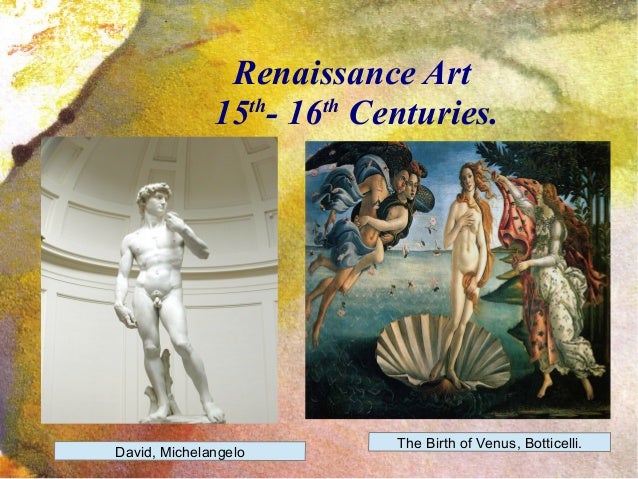
- The art
of the Renaissance and its dissemination in Flandes, Germany and France.
-
Observation and analysis of Renaissance’s works of art.
|
Para la consecución
de estos objetivos he preparado una serie de tareas y actividades que
facilitarán al alumnado la toma de contacto con este nuevo tema así como su
posterior estudio y desarrollo.
6. (a) Task(s)
|
- Watch a video about the
Renaissance in which the students can recognize the main characteristics of
this new age (discoveries, works art, religious’ doctrines…)
- Complete some worksheets:
Number 1: Recognize the main features of Humanist
thought and assess the importance of the printing press in its dissemination.
Number 2: Distinguish the characteristics
of the main reformers’ doctrines: Lutheranism, Calvinism and Protestantism.
Number 3: Explain the main concerns of
renaissance art and recognize the most important artists and work arts of the
Quattocento and Cinquecento.
|
6. (b) Activities
|
Reading
the textbook and another texts related to Humanism and Renaissance.
-
Activities:
. True or
false activities
. Filling
gaps and answer questions with simple sentences.
.
Matching activities.
.
Complete a chart.
. Describe a picture, sculpture…
|
Asimismo, la
metodología a seguir será activa y participativa en todas las clases puesto que
el grupo-clase es reducido y esto me permite un seguimiento y evaluación
prácticamente individualizado de cada alumn@.
|
7. Methodology
|
Organization and class distribution / timing
|
The methodology will be active and
participatory. In addition, it must facilitate both individual and group
learning.
This work method will be applied
through the establishment of work habits, including completing activities in
the student’s book and additional photocophies.
|
Para comenzar a
introducir el tema y tengan una visión general del mismo, les reparto unas
fotocopias de mapas conceptuales en base a los cuales seguiremos el tema
propuesto en el libro. A continuación, visualizamos una serie de vídeos
explicativos que complementan la teoría explicada en clase y también
visualizamos vídeos sobre el Renacimiento para asentar conocimientos y
relacionar la teoría con las imágenes.
Os adjunto algunos de
los recursos que he utilizado a lo largo de esta unidad:
Presentations:
Activities:
·
La rutina diaria en el desarrollo de las tres
horas semanales que dispongo para desarrollo de mis clases es la siguiente:
Normalmente realizo una breve exposición del
tema, leemos las partes del libro que considero oportunas y les propongo una
batería de preguntas que pueden resolver de manera individual o grupal. Dichos
ejercicios los corregimos en clase mediante una puesta en común y en el caso de
que sea necesario realizo las correcciones oportunas. Los últimos 10-15 minutos
de la clase los solemos dedicar a visualizar vídeos, imágenes de arte (me
gustan bastante los de Artehistoria, puesto que explican detalladamente las obras
de arte de los artistas más destacados y numerosas curiosidades), realizar
ejercicios interactivos de autocorrección (la página de Testeando les gusta mucho porque pone a
prueba sus conocimientos y realizan “pequeñas competiciones”)….
- Otra forma de
trabajo en la cual mis alumnos se implican bastante y además sirve para
aprender a aprender y asentar los conocimientos previamente trabajados, es la
de realizar trabajos de investigación sobre un determinado personaje o
descubrimiento importante. Posteriormente, realizan la exposición oral
apoyándose en imágenes visuales, powerpoints o vídeos realizados por ellos
mismos.
- Finalmente, entre
todos realizamos resúmenes, mapas conceptuales, gráficos, murales en función de
la dificultad que presente el tema. En este caso concreto, nos ha sido de gran
ayuda el poder visualizar numerosas obras de arte con sus correspondientes
explicaciones; la realización de mapas conceptuales con la herramienta de
Popplet en la pizarra digital y la realización de presentaciones por parte del
alumnado.


.jpg)


.jpg)
.jpg)
.jpg)


.jpg)